

08/30/2026
Entire blog as a free PDF eBook.
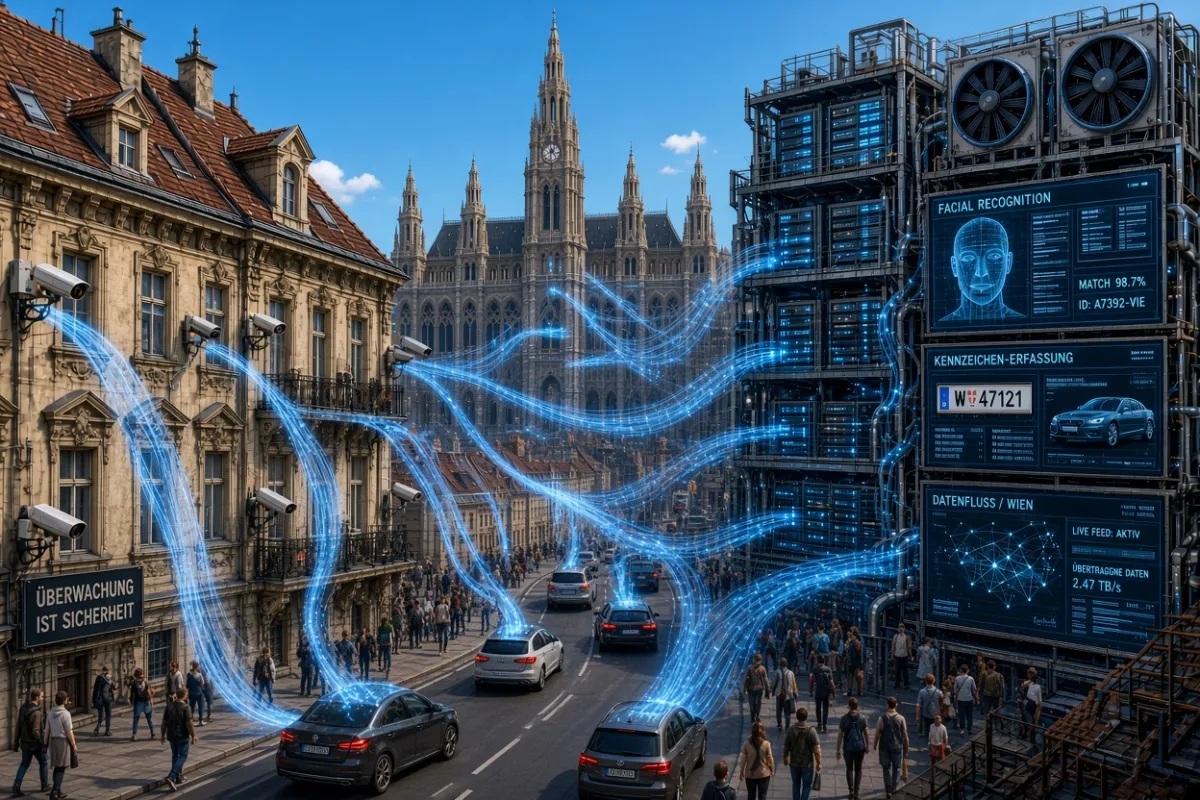
According to estimates, there are a total of over 500,000 surveillance cameras in Vienna, most of which are privately or commercially owned. Even though this sentence was generated by artificial intelligence, I do not consider it a quotation, since AI ignores citation rules.
Vienna, once the most livable city in the world, is undergoing a breathtaking transformation under the red-pink and previously red-green city government — unfortunately not towards more freedom and quality of life, but towards a camera-based control regime that finally makes the term “social democratic” a farce.
Quote from an article published yesterday on tkp.at: Vienna on its way to becoming a 15-minute surveillance city: From a crazy summer of construction to camera-based congestion charges. Source.
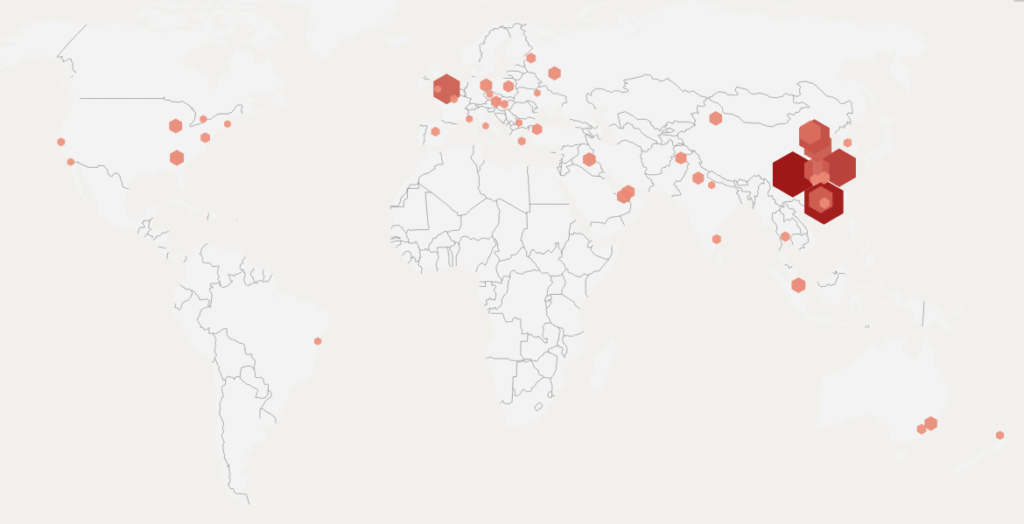
Source.
The 15-minute city is not the answer to traffic problems. It is the harbinger of a total surveillance regime sailing under the green flag and being implemented in Vienna by a Social Democratic Party (SPÖ) that only uses the word “social democratic” as a historical relic in its party platform. Bruno Kreisky would be turning in his grave.
When I took a nighttime walk through Vienna in the 1980s, I encountered only a few people on the street for several hours. I even made it as far as Favoriten, which is considered the most dangerous district today. Vienna was truly a very quiet and safe city back then.
The installation of municipal surveillance cameras does nothing to improve safety, as it does not address the root causes of rising crime. This is a typical political measure that gives the deceptive impression of complete control over problems that the government itself has created.
Source.
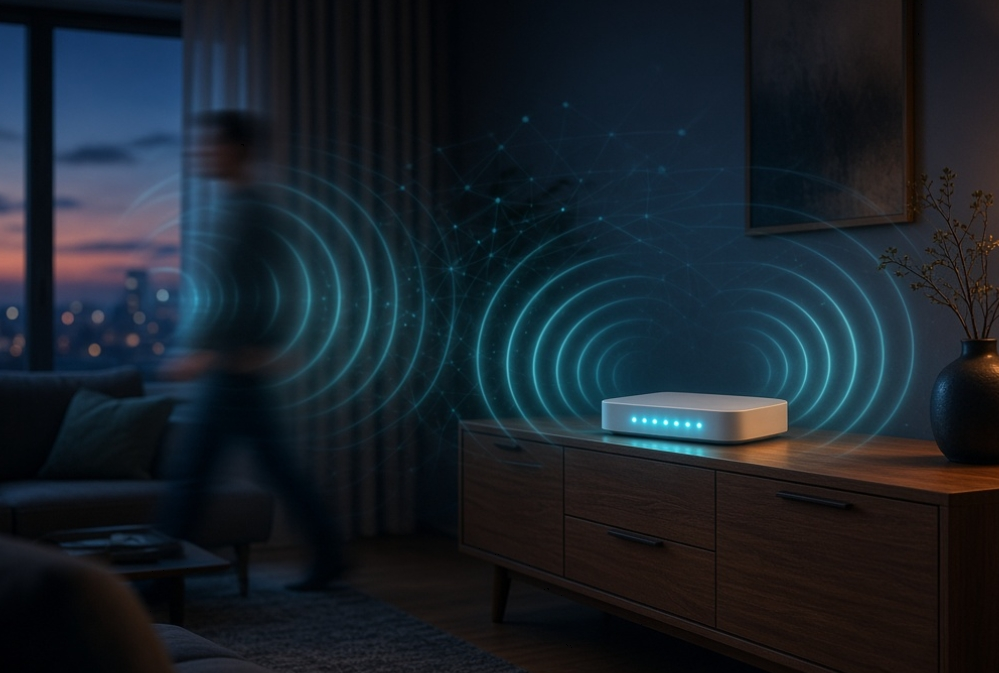
Surveillance isn’t just about security cameras. Your cell phone is an excellent database about you.
AI – The Beginning:
A smartphone collects a huge amount of data about its owner. This information is gathered by the operating system (Android/iOS), the installed apps, the mobile carrier, and the built-in sensors.
Here is a detailed list of the information the smartphone collects:
📍 Location and Movement
Location History: Where you live, work, and spend time.
Travel Routes: What modes of transportation you use.
Exact Location: Latitude and longitude via GPS.
Surroundings: Nearby Wi-Fi networks and Bluetooth devices.
👤 Identity and Personal Data
Biometric Data: Fingerprints and facial scans (Face ID).
Account Information: First name, last name, email address, age, and gender.
Contacts: Phone numbers, email addresses, and photos of friends.
Passwords: Login credentials saved in your browser and apps.
📱 Digital activities and habits
Browsing history: Search terms and websites visited.
App usage: Which apps you use and for how long.
Writing analysis: Your writing style and most frequently used words.
Purchases: Payment card information and transaction history.
💬 Communication and Multimedia
Calls: Call history, numbers, time, and duration of current calls.
Messages: SMS content and notifications from messaging apps.
Files: Your private photos, videos, and documents.
Voice: Audio recordings and commands to voice assistants.
🔋 Physical and Technical Status
Health: Step count, heart rate, sleep, and calories burned.
Device data: Phone model, battery level, and system version.
AI – End.
I didn’t come up with this list. This is how artificial intelligence (AI) responded to my question: What information does a cell phone collect about its owner?

Author of the article: Marek Wojcik
Email: worldscam3@gmail.com
<If you like what I write, it would help a lot to further spread these articles if you share them with your friends on social media.