
08/26/2026
Entire blog as a free PDF eBook.
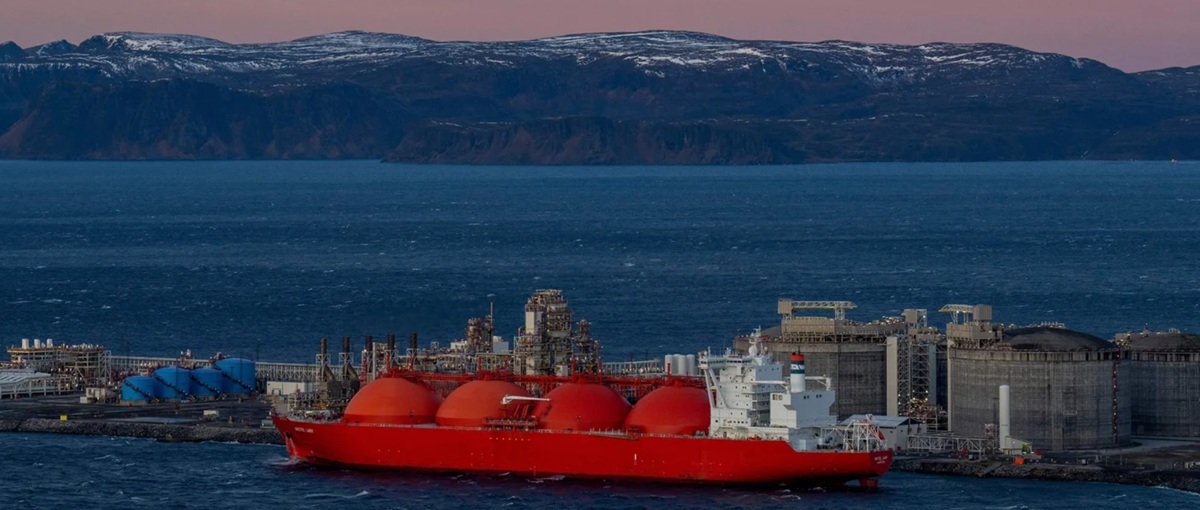
Norway has sent the EU a message that could hardly have been phrased more diplomatically, yet is nonetheless unambiguous: Anyone who doesn’t want the oil and gas from the Barents Sea can watch as it is sold elsewhere. This shatters a narrative that Brussels has been promoting for years—the notion that Europe’s energy transition is merely a matter of political will and not of physical availability. Source.
The first reports of massive oil and gas reserves off the Norwegian coast date back to 1969. Production began in June 1971. The first confirmed field, Ekofisk, contained over 3 billion boe (barrels of oil equivalent). In addition to crude oil, it also contained large quantities of natural gas.
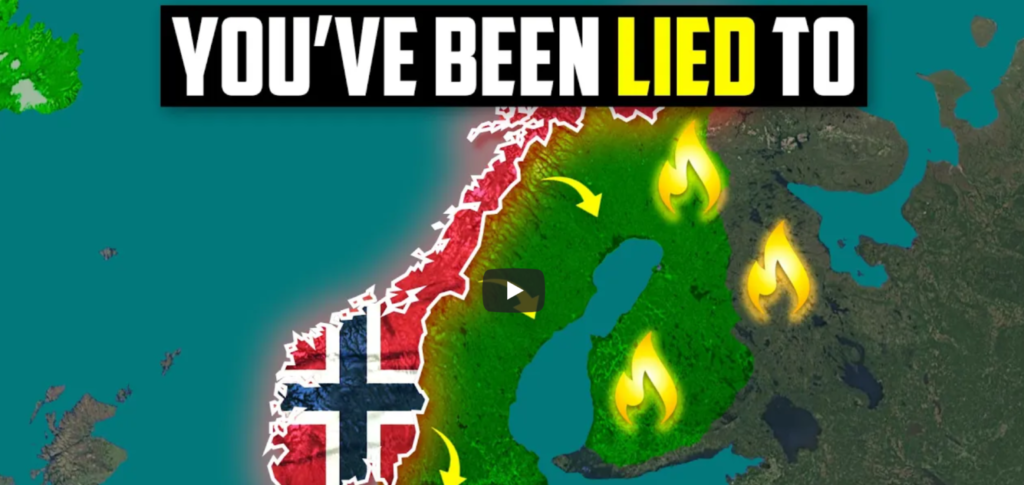
Norwegian Energy Minister Terje Aasland stated that the “Green Deal” policy pursued to date had been a flawed idea. Presumably, rising oil and gas prices have radically changed the Norwegian government’s stance on environmental issues, which had been based on lies and fear. More on this can be found in an article published Monday on the Irish website rte.ie: Norway will drill in Arctic regardless of EU’s position.

Source.
The video below shows an extremely rare atmospheric phenomenon. Don’t worry—the auroras don’t deplete oil and gas reserves. They draw their energy from the sun via the solar wind and through their interaction with the Earth’s magnetic field.
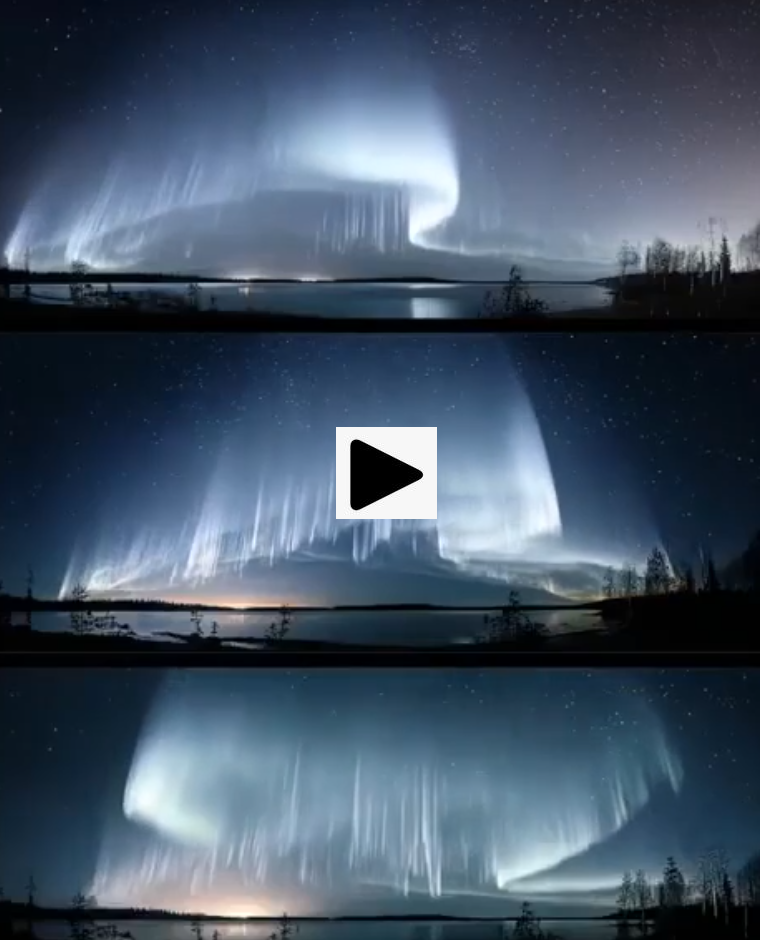
The sky offered a spectacle that few people get to see in their lifetime.
Photographers out hunting for the Northern Lights had expected the usual green and purple waves. Instead, they were overwhelmed by something far rarer: ghostly, white northern lights stretching across the sky.
Delicate. Pale. Almost luminescent.
These are among the rarest northern lights on Earth.
Source: Telegram, April 30, 2026, 1:24 p.m.
Author of the article: Marek Wojcik
Email: worldscam3@gmail.com
<If you like what I write, it would help a lot to further spread these articles if you share them with your friends on social media.