
08/23/2026
Entire blog as a free PDF eBook.
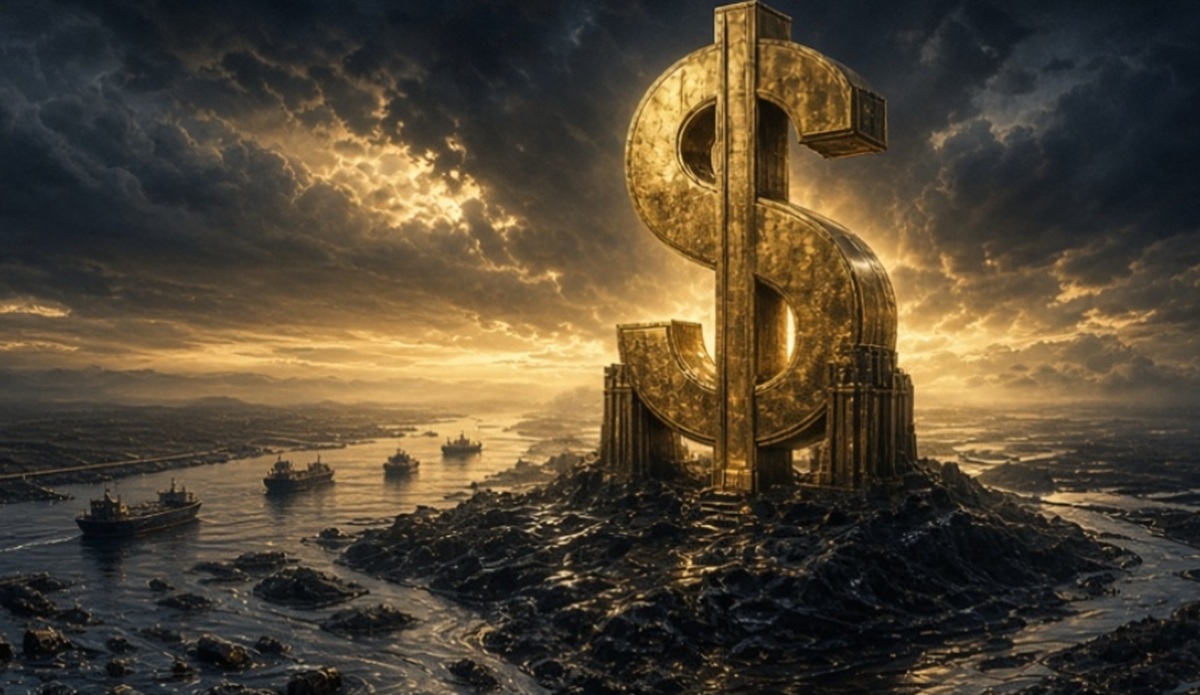
The U.S. Department of Energy has outlined, in an informational brochure, the U.S.’s detailed plans for spending the spoils obtained following the kidnapping of President Maduro in Venezuela:
The United States government has begun marketing Venezuelan crude oil in the global marketplace for the benefit of the United States, Venezuela, and our allies. …
All proceeds from the sale of Venezuelan crude oil and oil products will first settle in U.S. controlled accounts at globally recognized banks …
These funds will be disbursed for the benefit of the American people and the Venezuelan people at the discretion of the U.S. government.
The only oil transported in and out of Venezuela will be through legitimate and authorized channels consistent with U.S. law and national security.
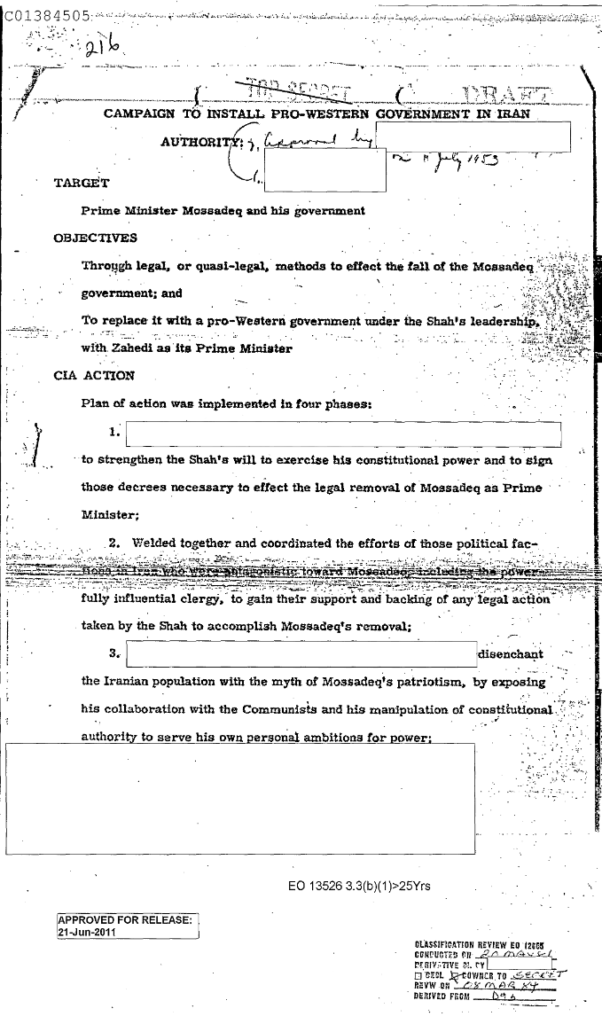
August 19 marked the 73rd anniversary of the secret operation carried out by the CIA and MI6 in Iran under the code name “Ajax.” It led to the overthrow of the democratically elected Iranian Prime Minister Mohammad Mossadegh and to the consolidation of power by Shah Mohammad Reza Pahlavi. The trigger was Prime Minister Mossadegh’s nationalization of the Iranian oil industry in 1951, which stripped the British company (now BP) of its control over Iran’s oil reserves.
Similarly, in 2011, the “Arab Spring” was staged in Libya for the “good of the nation.” It ended with the assassination of Muammar al-Gaddafi and political chaos in that country that continues to this day.
It is not only the U.S. that pursues such imperialist policies to plunder oil, commonly referred to as “black blood.” The current Russian president also instigated the Second Chechen War in 1999, which earned Putin enormous popularity in the country and paved the way for his presidency.

Chechnya, October 7, 1999, victims of the bombing in Elisthanschi.
The decline of the dollar was sealed 113 years ago by the founding of a private central bank in the U.S., the so-called Fed. A system of ever-growing national debt emerged, which was bound to eventually cause the financial mechanism to collapse under the burden of interest payments.
Over 100 years of living in deceptive prosperity, with all its ups and downs. Wars were an inseparable part of this high quality of life. Someone had to die so that someone else could live well. A brutal law of nature? Not at all—it is the law of the fist, which remains in effect until the muscles fail. The energy that underpins this prosperity and is sustained by the power of money is fading right before our eyes.
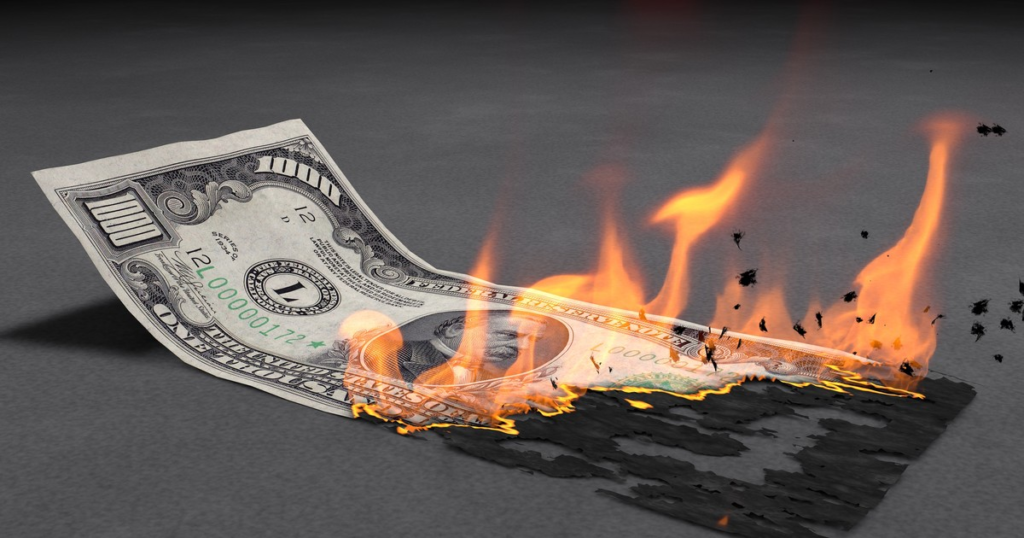
How does national debt arise? Through bonds—loans with variable interest rates that fluctuate based on market conditions. In the U.S., the national debt recently surpassed the 40 trillion dollar mark. It’s just a number like any other. The problem is the interest rate on this loan, which must be repaid without fail. Otherwise, the government faces bankruptcy and, with it, the loss of control to its creditors.
Currently, the cost of covering these interest payments in the U.S. amounts to over one trillion dollars. Where does the United States get the money for these interest payments? Perhaps from taxes? But where exactly—taxes go toward ongoing expenditures such as healthcare, the military, and all administrative costs. To pay the interest, the U.S. issues more bonds, thereby increasing the national debt. However, there is a lack of interest in purchasing such risky bonds. But it gets much worse: Bondholders—as Japan recently attempted—are divesting themselves of these worthless securities that are at risk of default.
In such a situation, there is only one entity obligated to buy back the bonds at the current market price. That entity is the U.S. Federal Reserve—the Fed. It is the only organization in the world authorized to print dollars. It’s not hard to guess where the Fed will get the money to buy back the bonds. It will fire up its physical or virtual printing presses. This doesn’t necessarily have to involve banknotes. It’s enough for the Federal Reserve System (Fed) to transfer the corresponding amount to settle the price of the bonds.
A few days ago, the Fed spent 10 billion euros (to at least protect the psychological value of the dollar) to rescue the Japanese yen. One could call this a pittance. It would have taken 500 billion to prop up the Japanese currency. Such measures serve to test market behavior.
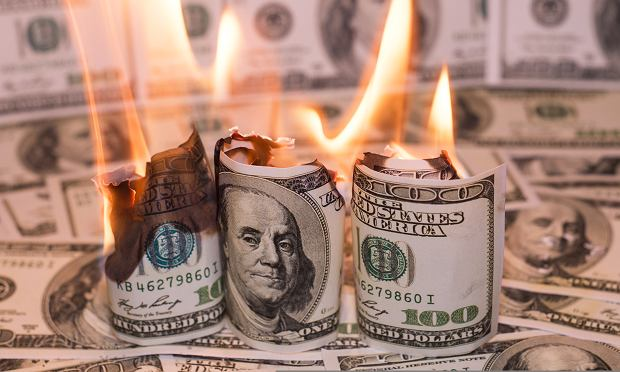
Where does a policy of creating money without backing lead? To a loss of value in money—to inflation. In short, inflation can be described as theft. The government benefits from it. Debts remain nominally the same, but the value of money declines. This process leads to hyperinflation, in which the value of the pieces of paper called “dollars” drops with every passing minute. That still lies ahead of us. Currently, we have a thriving economy, which, as Donald Trump likes to emphasize, is a guarantee of growth. There are still more than two months until the midterm elections, and he wants the Republicans to win them.
Responses:
Yes: 5%
No: 295%.
Author of the article: Marek Wojcik
Email: worldscam3@gmail.com
<If you like what I write, it would help a lot to further spread these articles if you share them with your friends on social media.