
04/29/2026
Entire blog as a free PDF eBook.
Phishing attacks are online scams in which fraudsters pose as trustworthy institutions (banks, courier services, government agencies) to trick victims into revealing login credentials, credit card information, or personal data. This is how AI defines phishing—in my own words: the Antisocial Intelligence from Google’s fake news factory.
The scammer creates a fake website that looks deceptively similar to your bank’s login page and sends it to the victim, for example via email, with a request to log in immediately, otherwise… some reason is given here. Why does he do this? To obtain the victim’s login credentials for their bank account. Of course, simply obtaining the login credentials to the bank is not enough for the scammer to plunder the victim’s account. This is the first step to check the account balance and decide whether it’s worth taking the next step.
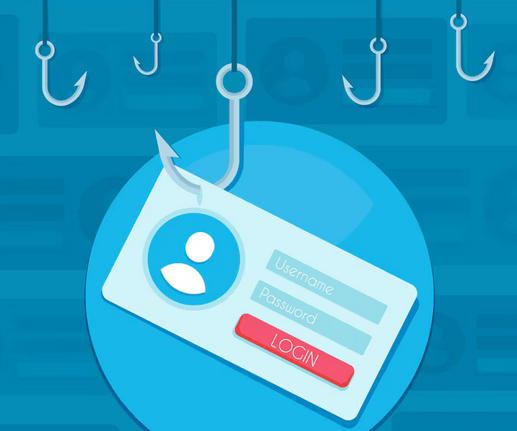
The best and most effective way to check whether a site is a phishing attempt is to verify the web address of the page asking for your PIN and password. Simply compare the address of the page where you usually log in to your bank with the address of the page currently displayed. It’s even better to simply avoid using such carefully crafted links and log in as usual, though checking the address is still recommended here as well.
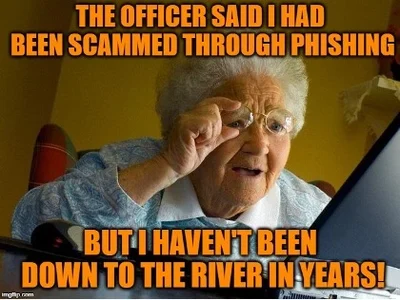
Why am I writing about this? There are many types of computer fraud, but phishing in particular was targeted by the censors to reduce my readership by scaring them off with an antivirus warning about the danger of data fraud—phishing. All it took was adding the address of my blog, world-scam.com, to the blacklist used by antivirus programs for a warning message to appear, cautioning against opening this website.

The absurdity of this false phishing warning is further highlighted by the fact that there is no way to enter any data on this blog that could be stolen. Following a series of hacking attacks, I disabled the option to register in order to post a comment. I had to do this because dozens of fake user accounts were being created every day. To register, users had to provide an email address and a password. The only field that is still active is the search function on this blog. I often use it myself when I need to quickly find something in one of the over 1,200 articles.
This kind of censorship on the internet doesn’t help much. My blog’s reach is growing. This month, in April, it once again surpassed a quarter of a million views. Yes, I need to take the time to explain what this trick is all about. That’s why I wrote today’s article.
“Enter your PIN”: Surely the average person would think very carefully about whether to comply with this unexpectedly popping-up request in a messenger message, right? Well, German politicians don’t. The terrible “cyberattack” on members of the federal government, which is being touted by all media outlets as a Russian espionage attack, was a phishing campaign that no reasonably internet-savvy citizen would fall for anymore. Politicians, however, do. And these are the very same politicians who want to restrict social media and demand more “media literacy.”
Introduction to Monday’s article on Report24.news: Politicians: Talking about cybersecurity while falling for every phishing attack themselves? Source.
Author of the article: Marek Wojcik
Email: worldscam3@gmail.com
<If you like what I write, it would help a lot to further spread these articles if you share them with your friends on social media.