03/08/2026
Entire blog as a free PDF eBook.
In mid-February, Facebook blocked my account out of “fear” of hackers. I set up a second account, and although it’s not very popular, it works somehow. It took a long time to get my original account back. However, my Facebook “luck” was short-lived. Zuckerberg decided to test whether I was a virtual crocodile and gave me a task that I definitely didn’t want to do.
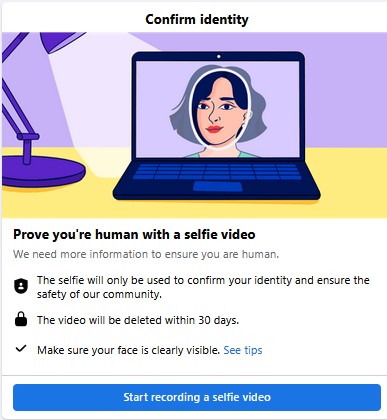
Let’s say I’m camera-shy and don’t like it when someone—under the pretext of fighting robots—uses artificial intelligence to try to take inexpensive photos of my face. As with an arrest, I would have to show my face in profile and en face.
I suggest that the technocrats use the classic method and send someone to film me on the street or in a store. They won’t do that because Palantir won’t cover the costs. So my account on this not-so-social medium remains inactive. At least the old one. I know that other users are also subjected to such circus tricks. I also know that many of you can’t imagine life without Facebook. I can imagine it.
In February, the European Parliament approved a further step toward the introduction of the digital euro. Read more about this in an article published yesterday on tkp.at: European Parliament accelerates introduction of the Digital Euro. Source.
Members of Parliament voted in favor of amendments supporting a digital euro that would function both online and offline, aligning with the EU central bank’s vision for a publicly issued digital form of money. The vote passed by a strong majority. The justification given was growing concern about the structure of global payment systems. A large proportion of digital transactions within the EU currently take place via networks such as Visa and Mastercard, whose companies are based outside the EU. This could allow citizens to evade EU control.
It is hard to believe that European globalists are afraid of competition from global globalists represented by credit card companies. However, if this is true, then we are dealing with divisions within the Deep State that are just as beneficial to us as they are to the usurpers of world power who divide us into left and right, stir up hatred between nations, or divide us into supporters and opponents of mRNA preparations.
I read with amusement that digital money is supposed to work both online and offline. So it is supposed to be independent of the internet. Given the “far-sighted” energy policy of the Eurocrats, I would rather ask another question here: Will digital money also work when the power goes out? Or will we perhaps use card readers with cranks? Powered by muscle power and, more importantly, large bank computers that are probably connected to portable nuclear reactors? Or even better—after all, we can rely on wind turbines or photovoltaics.
One thing is certain: the way things have been with money so far will not last long. What we will use to pay depends on how the tense situation in the financial world develops. The dollar is doomed to galloping inflation. To prolong its agony, the Fed will be forced to produce both paper and virtual money. It is currently putting a small amount of $40 billion on the market each month, but will be forced to increase the production of this empty money at least tenfold.
This problem will affect virtually all paper and virtual currencies. Some sooner, some later. This process can be compared to a bartender watering down beer. With small refills, the beer drinker will not notice any difference, but once the barman has acquired a taste for easy money, it will be difficult to detect the taste of the remaining beer in the water.
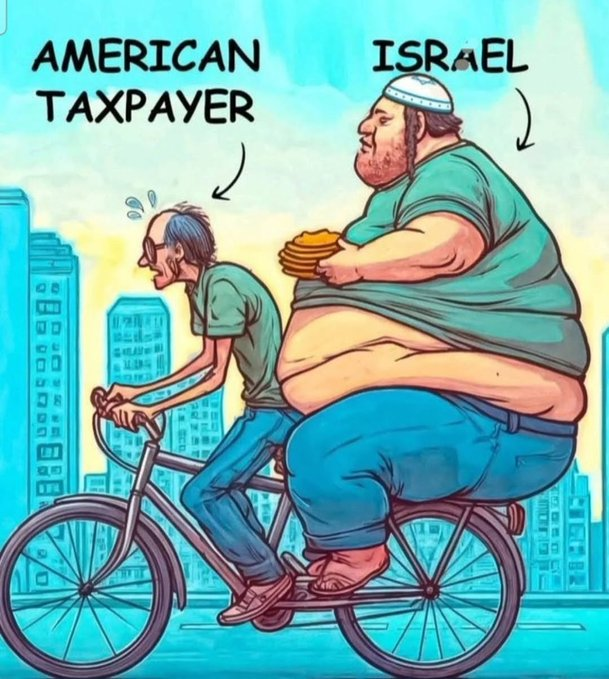
Why will the crisis start with the dollar? One of the arguments for this can be found in the following illustration.
Author of the article: Marek Wojcik
Email: worldscam3@gmail.com
<If you like what I write, it would help a lot to further spread these articles if you share them with your friends on social media.